Overview
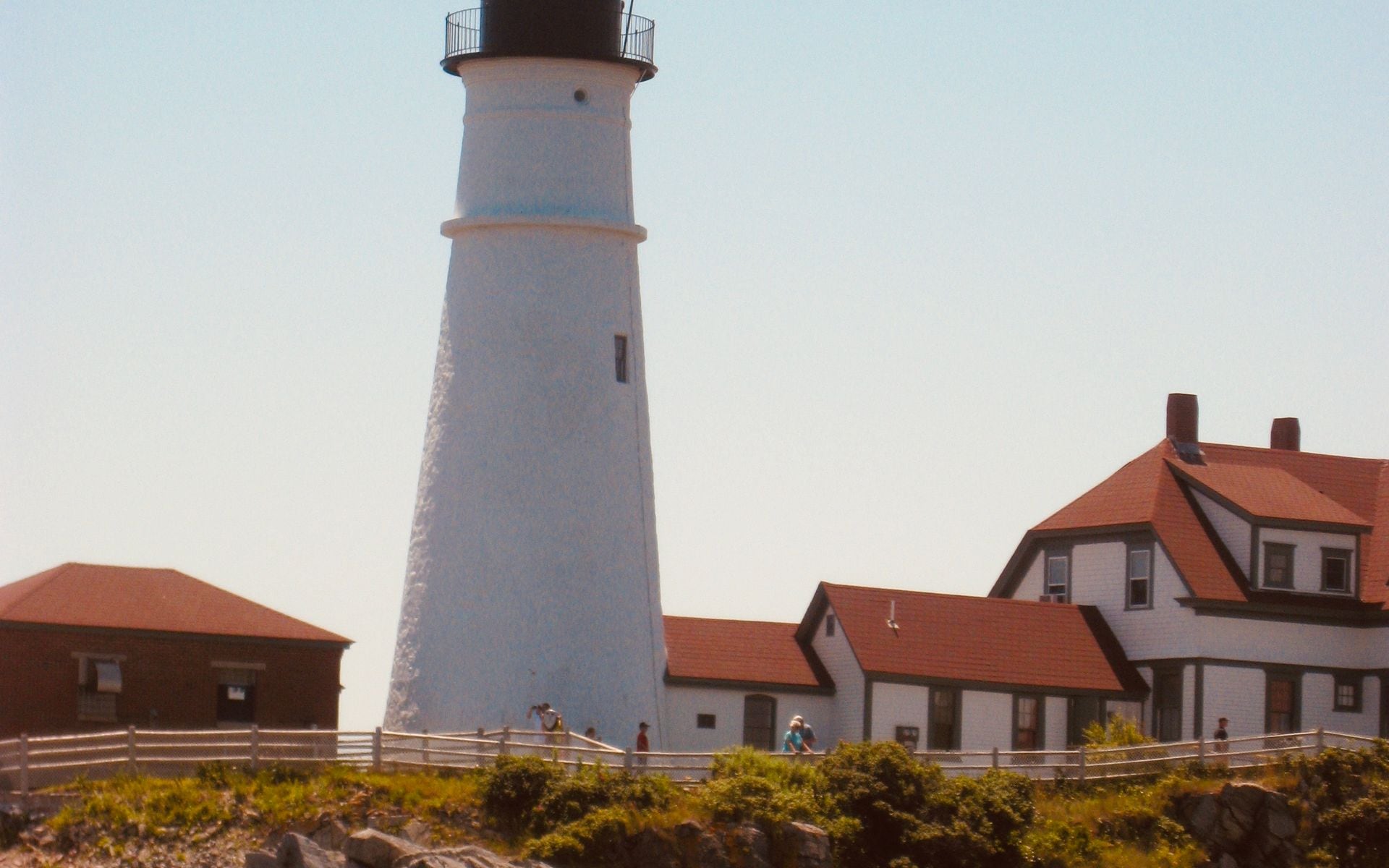
Maine's coast demanded navigational markers from the earliest days of American shipping. The result is a concentration of lighthouses that no other New England state can match, spread across peninsulas, offshore islands, and exposed headlands from Kittery north to Lubec. Portland Head Light at Fort Williams Park in Cape Elizabeth is the most visited single stop. Commissioned under George Washington and first lit in 1791, it sits on a rocky point with a free public park around it and a small keeper's museum worth a thirty-minute stop. From the Maine Travel Guide to any dedicated coastal road trip, Portland Head Light shows up as the reference point for the whole lighthouse category in Maine.
The MidCoast from Bath through Rockland holds the densest cluster on the coast. Pemaquid Point Light near Bristol sits above one of the most distinctive rock formations on the shore, slabs of metamorphic stone tilted at sharp angles into the surf. It appears on the back of the Maine state quarter issued in 1999, which tells you how seriously Mainers take it. Marshall Point Light at Port Clyde is accessible via a short footbridge to the tower, and it is the lighthouse connected to the Forrest Gump running scene. Both are within an hour of each other, which makes them a natural MidCoast afternoon. Owl's Head Light near Rockland, perched above the entrance to Rockland Harbor, is reachable by a short trail through Owl's Head State Park.
Downeast, Bass Harbor Head Light occupies the southwest corner of Mount Desert Island inside Acadia National Park. It faces west, meaning the best photographs come in late afternoon when the sun is behind you rather than in the lens. Cape Neddick Light, better known as Nubble Light, sits on a small island just off York on the southern coast. A causeway does not reach the island, so you view it from Sohier Park on the mainland, but the framing is so clean that it has become one of the most reproduced lighthouse images in New England. Pair a lighthouse loop with the Maine Coast Road Trip itinerary to sequence the major stops without backtracking.
What to Expect
Most Maine lighthouses fall into one of three access categories. Drive-up and walk-up lights like Portland Head Light and Pemaquid Point Light are the most accessible: park, walk a short path, photograph, and move on. A few, including Burnt Island Light in Boothbay Harbor, open for seasonal guided tours run through the Maine Department of Transportation, where you interact with costumed interpreters re-enacting life in the keeper's station around 1950. These tours run on select Sundays from late June through August and book up fast.
Boat-based lighthouse cruises cover several lights at once and add the perspective of seeing the towers from the water as mariners did. Cap'n Fish's Cruises out of Boothbay Harbor runs a dedicated Lighthouse and Islands cruise that sweeps past multiple MidCoast lights and offers a different angle on each tower than you get from shore. Casco Bay Lines, the year-round ferry out of Portland's Commercial Street pier, routes through Casco Bay and passes the Ram Island Ledge Light and Spring Point Ledge Light in the harbor, giving you a low-key water-level view without booking a dedicated tour. Bar Harbor Whale Watch Co departs from the Bar Harbor pier on a nature cruise that passes the lighthouse towers on the approaches to Mount Desert Island. If you are spending time around Hiking trails in Acadia and want to cover lighthouses the same day, the harbor-based boat tours let you combine both without driving back across the island.
Offshore island lights like Seguin Island Light southwest of Bath, the tallest lighthouse in Maine at 186 feet above sea level, require chartering a boat or catching a ride with a local water taxi. The Friends of Seguin Island operate the station and run occasional day trips in summer. Check their schedule in advance if Seguin is on your list. West Quoddy Head Light at Lubec, with its distinctive red and white horizontal stripes, marks the easternmost point in the United States. It sits inside West Quoddy Head State Park, so access is straightforward and there is no admission fee beyond the standard state park day-use rate.
Best Season
Late June through early September gives you the longest daylight hours, the most consistent open access at state parks, and the full boat-tour season out of Boothbay Harbor and Bar Harbor. Fog is a fact of life on the Maine coast in summer, particularly in June and early July, so morning lighthouse trips can disappear into gray if you are not flexible. Afternoons tend to clear. For photographers, late September and October offer lower sun angles, fewer crowds at Fort Williams Park, and the occasional combination of lighthouse tower and turning foliage in the same frame.
Winter access to most drive-up lighthouses stays open year-round, but state park facilities close and parking can be limited by snow. Pemaquid Point Light and the keeper's museum close for the season after Columbus Day. Portland Head Light and Fort Williams Park remain accessible in winter, which makes them the default off-season lighthouse stop for visitors in the Beaches region who are passing through Cape Elizabeth in the shoulder season. Spring is a viable time to visit if you can tolerate cold ocean air and variable weather, and the MidCoast lights between Damariscotta and Rockland can be quiet and atmospheric on a clear April morning.
Typical Costs
Accessing most Maine lighthouses is low-cost. Fort Williams Park in Cape Elizabeth charges no admission fee. The state parks that include lighthouse access, like Owl's Head State Park and West Quoddy Head State Park, charge a standard Maine state park day-use fee of around $8 per adult and $2 per child for non-residents (estimated, verify current rates at maine.gov). The Pemaquid Point Light station charges a small keeper's museum fee of around $3 per adult.
Boat tours covering lighthouses run in the $30 to $55 per adult range (estimated), depending on the length of the cruise and whether it combines lighthouses with puffin watching or whale watching. Cap'n Fish's Cruises lighthouse and islands cruises in Boothbay Harbor are typically at the lower end of that range for two-hour scenic trips. Longer combo tours from Bar Harbor Whale Watch Co that fold in wildlife viewing run higher. Budget separately for parking at busy summer sites: the lot at Fort Williams Park fills on weekend mornings in July and August, so arriving before 9 a.m. or after 4 p.m. avoids circling. Pair any lighthouse afternoon with a stop at the Best Lobster Shacks in Maine nearby, since most lighthouse clusters sit within a short drive of at least one good lobster pound.
How to Book
Drive-up lighthouse visits need no reservation. For Burnt Island Light guided tours out of Boothbay Harbor, book directly through the Maine DOT website as soon as you know your dates, since spots sell out weeks in advance in July and August. Cap'n Fish's Cruises in Boothbay Harbor accepts online reservations and walk-up bookings, but summer weekends fill, so booking a day or two ahead is the safe call. Bar Harbor Whale Watch Co books online through its website, and the nature cruises that pass lighthouse towers often sell out in peak summer.
For planning your route, most visitors combine lighthouses with other activities on the same day, since individual stops are typically short. The Portland Head Light to Pemaquid Point loop works well as a MidCoast day, running about 75 miles along the coast with time for lunch in Damariscotta and a walk at both sites. Pairing lighthouse stops with activities from the Tour Operators and Charters directory can fill a full day efficiently. The Maine Lighthouse Tour itinerary lays out a full-coast sequence from York to Lubec if you prefer a dedicated structure. The lighthouse experience in Maine works best when you treat it as a thread running through the coast rather than a separate day trip, since the towers anchor so many of the same harbors and peninsulas where you are already spending time.
Lighthouses pair naturally with the rest of a Maine coast trip. Many sit near the best beaches and good coastal hikes, several charter operators in our tour operators directory run lighthouse cruises, and the Maine coast road trip strings the most famous ones together over a few days.
Frequently asked questions
What is the most famous lighthouse in Maine?
Portland Head Light at Fort Williams Park in Cape Elizabeth is the most recognized. Commissioned under George Washington and first lit in 1791, it is free to visit and about 15 minutes from downtown Portland. Cape Neddick Light (Nubble Light) near York is arguably the most photographed because of its clean framing from Sohier Park on the mainland, and Pemaquid Point Light near Bristol, which appears on the Maine state quarter, runs a close second in name recognition.
Can you go inside Maine lighthouses?
Most Maine lighthouse towers are not open for interior access. A few have keeper's quarters converted into small museums, including the one at Portland Head Light, which is worth visiting. Burnt Island Light in Boothbay Harbor runs seasonal living-history tours where costumed interpreters guide you through the keeper's station. Check the Maine Lighthouse Museum in Rockland if you want deep historical context, as it houses one of the largest collections of lighthouse artifacts in the country.
How many lighthouses are in Maine?
Maine has more than 60 lighthouses still standing, more than any other New England state. Around 28 of those are still active as navigational aids, maintained by the US Coast Guard. The others are preserved by historical societies, land trusts, and the National Park Service. The Maine Lighthouse Museum in Rockland keeps a comprehensive list, and the American Lighthouse Foundation manages several of the historic stations.