Why visit Greater Portland
Portland belongs in a conversation with cities twice its size when it comes to food. The cobblestoned Old Port runs along Exchange and Fore Streets just above the working waterfront, and within a few blocks you have Eventide Oyster Co. on Middle Street (Maine oysters and a brown butter lobster roll that regulars still argue over), Duckfat on Middle Street (hand-cut fries and poutine that draw a line most lunch hours), and The Highroller Lobster Co. on Exchange Street for a lobster roll flight in an open beer-garden setup. For a more traditional waterfront meal, DiMillo's On the Water sits on a converted pier at Long Wharf, and Becky's Diner at 390 Commercial Street opens early enough to feed commercial fishermen before most visitors are awake. Luke's Lobster Portland Pier at 60 Portland Pier is a quick-service counter right on the water with a straightforward lobster roll at a fair price, roughly $25-$35 depending on the market rate for claw and knuckle meat. Our full roundup of where to eat shellfish across the state is in the Best Lobster Shacks in Maine guide.
The broader Maine Travel Guide covers options up and down the coast, but Portland is the one place where you could reasonably spend two or three days without renting a car and still run out of time before running out of things to do. The waterfront, the Old Port, Congress Street's art galleries and the Portland Museum of Art, and the Casco Bay island ferries all sit within a walkable or short-taxi radius of each other. Portland rewards a full day at minimum and earns a longer stay for anyone who cares about food, microbreweries, or getting out on the water.
Top places in the region
Portland is the hub. The Old Port between Exchange, Fore, and Commercial Streets is where most visitors spend their time: restaurants and bars at street level, a working fish pier one block east, and Casco Bay Lines departing for the islands from 56 Commercial Street. The Portland Museum of Art at 7 Congress Square anchors the Arts District and holds the state's best collection of Maine landscape paintings, including Winslow Homer's coast work. Admission runs around $18 for adults (early 2026 rates), with free entry on Friday evenings from 4-8pm.
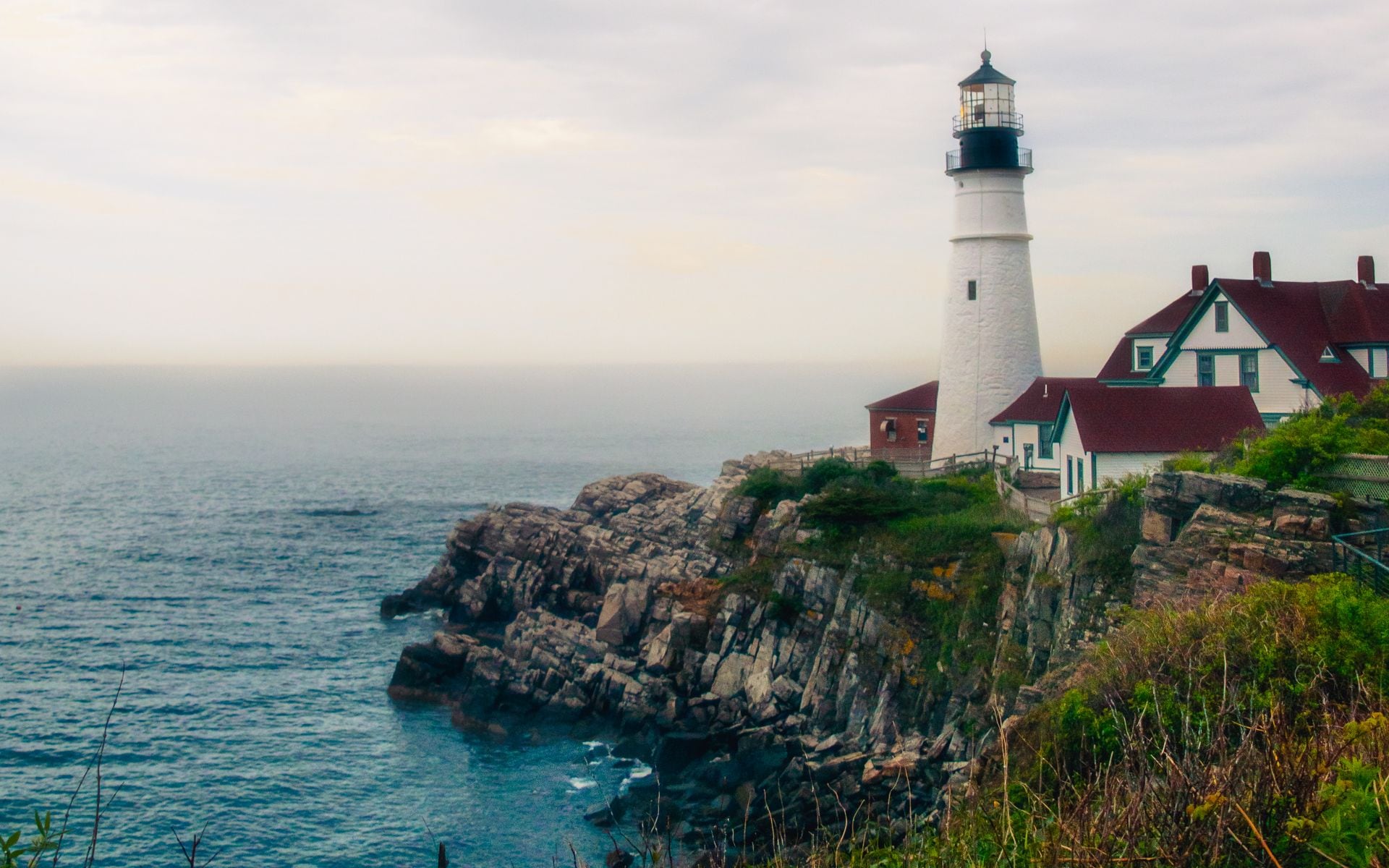
About 15 minutes southeast of downtown on Shore Road in Cape Elizabeth, Portland Head Light is the most-photographed lighthouse on the Maine coast. Commissioned under George Washington and first lit in 1791, it sits inside Fort Williams Park, which charges about $10 per vehicle for parking in summer. The grounds are free to walk and the views over the open Atlantic hold up on cloudy days as well as clear ones. The keeper's quarters have been converted into a small museum worth 20-30 minutes.
About 20 minutes north of Portland on I-95, Freeport built its identity around the 24-hour L.L.Bean flagship on Main Street, a store large enough that people genuinely get disoriented in the hunting, fishing, and paddling sections on the upper floors. The rest of Freeport's Main Street is outlet retail from Patagonia, Cole Haan, J.Crew, and a couple dozen other brands. Wolfe's Neck Woods State Park sits about five minutes from downtown on a tidal peninsula with four miles of easy walking trails and a reliable osprey nesting platform visible from the shore path.
Twenty minutes south of Portland on I-95, Old Orchard Beach offers seven miles of flat sand, the Palace Playland amusement park on its famous pier, and a budget-friendly summer scene that runs from late June through Labor Day. It is a different register from the rest of the region, intentionally loud and crowded, and useful to know about if you are traveling with children who want a boardwalk beach day before heading farther up the coast.
Top things to do
The Casco Bay Lines ferry run is the single best low-effort thing to do in Greater Portland. You can buy a round-trip ticket to Peaks Island (about 15 minutes each way, roughly $9-$11 per adult) and spend a few hours walking the island roads or renting a bike from a shop near the ferry dock. The mid-afternoon mail boat loop departs once daily and takes around three hours to touch six or seven island stops including Peaks, Little Diamond, Great Diamond, Long Island, and Chebeague; fares run about $20 per adult. On a clear summer day, watching the harbor from the ferry deck as the Portland skyline shrinks is a reasonable approximation of the Casco Bay sailing experience without booking a charter.
The Portland Museum of Art deserves more time than most visitors give it. The main building at 7 Congress Square holds the Winslow Homer Studio collection and a strong sampling of Maine Impressionists, and the adjacent McLellan House (an 1801 Federal-style mansion) is worth a slow walk-through. The museum runs free evening hours on Fridays from 4-8pm, which is a good time to go if you want to avoid midday summer crowds.
The Old Port walkable core is best explored on foot. Exchange Street, Fore Street, and Commercial Street form the triangle most visitors cover. The waterfront end of Commercial Street has working fish piers alongside the ferry terminal, and you can watch lobster boats unloading in the morning if you are out early. For a quieter walk, the Eastern Promenade Trail along the harbor bluffs runs about 1.8 miles from the India Street ferry terminal to East End Beach, with views across the bay to the Calendar Islands.
Greater Portland's craft brewery scene is one of the thickest concentrations in New England. Most of the production breweries and taprooms cluster along Industrial Way in Bayside (about a 10-minute walk or short Uber from the Old Port), and the Fore Street and Exchange Street corridors have several taproom-style bars. A Saturday brewery-and-lunch loop through the Bayside neighborhood is easy to fill with three or four stops.
Where to stay
Portland's hotel stock concentrates downtown near the Old Port and along the Commercial Street waterfront. A room in the Old Port or on Fore Street puts you within walking distance of the harbor restaurants and the Casco Bay Lines terminal. Expect to pay $180-$350 per night for a solid hotel room in summer (late June through August); that range covers both chain midrange and some of the boutique properties on Congress and Fore Streets. Off-season rates from October through May drop to roughly $100-$180 per night at comparable properties.
Freeport has a cluster of chain hotels and inns near the L.L.Bean campus on Main Street. They fill up on autumn weekends when leaf season and outlet shopping combine. If you want to avoid the Freeport traffic on a fall Saturday, staying in Portland and driving up for a morning shopping run works well. For a full comparison of lodging options by region across Maine, including inn recommendations and price bands, see Where to Stay in Maine.
Cape Elizabeth and the South Portland neighborhoods immediately across the harbor from downtown offer quieter accommodation at slightly lower rates, with a 10-15 minute drive to the Old Port. This is a practical choice for travelers who want to use Portland Head Light as a day stop and do not need to be walking distance from the restaurant strip.
Getting there and around
Portland International Jetport (PWM) is the state's main commercial airport, with nonstop service from Boston Logan (BOS), New York JFK, Philadelphia, Washington Dulles, Chicago O'Hare, and a handful of seasonal destinations. If you are flying from the West Coast or the South, a connection through Boston or New York is standard. PWM sits about three miles west of downtown Portland; a taxi or rideshare to the Old Port runs about $15-$20.
From Boston, the drive north on I-95 (Maine Turnpike) to Portland takes 1 hour 50 minutes to 2 hours 30 minutes under normal conditions. Friday afternoon southbound and Sunday afternoon northbound are noticeably slower from late June through August. The Amtrak Downeaster runs from Boston's North Station to Portland's Thompson's Point station in roughly 2.5 hours, making four or five runs daily each direction. Fares typically range from $15-$35 each way when booked more than a week out. The Downeaster is a comfortable option and drops you close enough to the Old Port to walk or take a short cab.
Once in Portland, the Old Port and waterfront are walkable. A rental car adds real range: Portland Head Light is a 15-minute drive via Route 77, Freeport is 20 minutes north on I-295, and Old Orchard Beach is 20 minutes south on I-95. Route 1, the coastal spine, connects to the Midcoast from Freeport onward, but it moves slowly in summer. If you are heading toward Camden or beyond, allow significantly more time than the map suggests.
Best time to visit
July and August are peak months: warm days (typical highs of 78-83°F), long daylight, and full activity on the waterfront and islands. The trade-off is that the popular Old Port restaurants book out days in advance on weekends, the ferry to Peaks Island queues up by mid-morning, and parking in the Old Port gets difficult by 10am. Arriving on a weekday, or timing your ferry run for a Tuesday or Wednesday, makes the logistics considerably easier.
September is the region's least-advertised strength. Labor Day thins the crowds, the water in Casco Bay reaches its annual peak temperature of around 60-65°F (it never gets truly warm, but this is as close as it gets), and the outdoor restaurant patios stay open through mid-October. Fall color arrives in Greater Portland in early to mid-October, later than it peaks in the highlands and western mountains, and the drive up Route 1 to Freeport through Cape Elizabeth is worth making on a clear October day.
November through April is genuine off-season for the Casco Bay islands (Peaks Island has year-round residents but fewer visitor services), and some smaller inns and seasonal restaurants close from Columbus Day through Memorial Day. The Old Port restaurant and bar scene stays active year-round, and winter hotel rates are the lowest you will see. If you are combining a Portland visit with a ski trip to Sunday River or Sugarloaf in the western mountains, a Portland arrival and a night in the Old Port before or after the mountain days is a natural fit.
Frequently asked questions
Do you need a car to get around Portland?
For the city itself, no. The Old Port, waterfront, Portland Museum of Art, and Casco Bay Lines ferry terminal are all walkable from most downtown hotels. Rideshares cover the gaps. You will need a car or a taxi for Portland Head Light in Cape Elizabeth (about 15 minutes from downtown) and for day trips to Freeport and Old Orchard Beach. If your whole itinerary is Portland plus the Casco Bay islands, you can manage without a rental. If you are continuing up Route 1 toward Camden or Acadia, pick up a car at PWM.
How do you get to the Casco Bay islands?
Casco Bay Lines runs ferries from 56 Commercial Street in Portland year-round. Peaks Island is the most popular stop, a 15-minute ride each way with departures roughly every hour to hour and a half in summer. Tickets for Peaks Island run about $9-$11 per adult round-trip. The mail boat loop, which visits six or seven islands including Great Diamond and Long Island, takes about three hours and costs around $20 per adult. No reservations required; buy tickets at the terminal. Bikes can be brought aboard for an additional fee.
Is Portland worth a stop on a Maine coast road trip?
Yes, and it earns at least one full day. Most coast road trips start in Kittery or Ogunquit and run north to Acadia, with Portland falling roughly in the middle. A day in Portland gets you the Old Port, a lobster roll at the waterfront, and maybe a quick ferry out to Peaks Island. Two days gives you Portland Head Light, a slower meal at Eventide or Duckfat, and a morning in Freeport before continuing north toward Camden. Portland also has the best airport access in the state, so flying in and out of PWM and driving the coast both directions is a clean way to structure a longer trip.
When is the best time to eat lobster in Portland?
Maine lobster is available year-round from the working wharves, but the peak of the inshore catch runs from late June through October. Prices at market rate per pound are typically lowest in August and September when the Maine coastal catch is heaviest. The waterfront spots like Luke's Lobster Portland Pier and DiMillo's On the Water serve lobster all year, and the price on a standard lobster roll tends to track the live-lobster market rate, which fluctuates. Summer visitors pay more per pound than fall visitors on average, but the difference is rarely more than $4-$8 per pound. See the full guide to Best Lobster Shacks in Maine for options across the whole coast.