Lobster and Seafood in Maine: The Overview
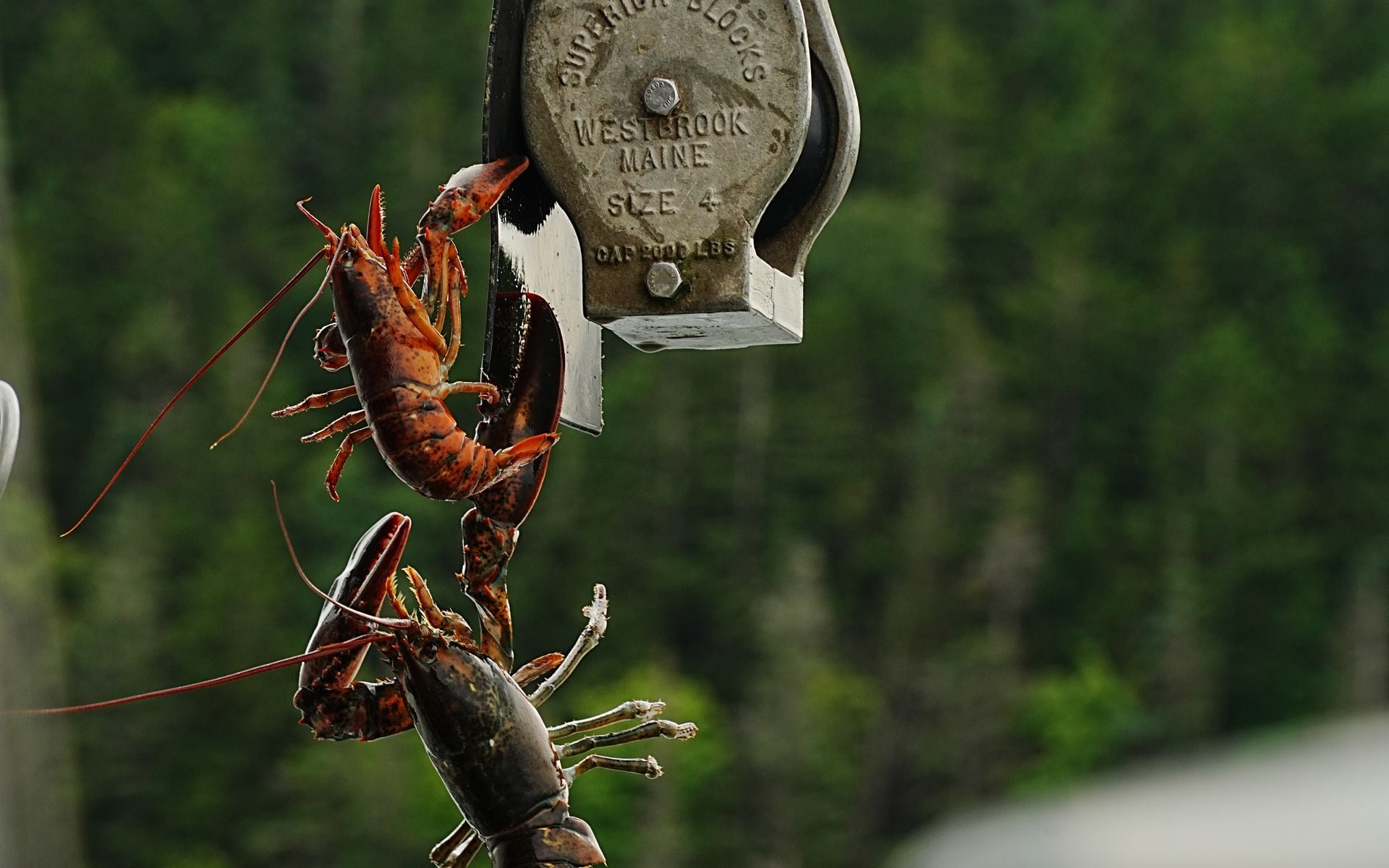
Maine's commercial lobster fishery is the largest in the United States, and it operates close to shore. The boats go out from hundreds of small working harbors, and most of the catch is sold dockside before it reaches a restaurant. That proximity matters more than any marketing pitch. When you order a lobster in Rockland or at Perkins Cove in Ogunquit in mid-July, it came out of the water within the past day or two. The cold Gulf of Maine water, which stays below 60°F even in summer at depth, concentrates flavor in ways that warmer-water alternatives do not match.
Lobster is not the only reason to eat your way through this coast. Maine also runs strong on whole-belly fried clams (the whole belly, not strips, which is the test of any reputable shack), oysters from the Damariscotta River estuary and the MidCoast bays, Georges Bank scallops, haddock, and mussels grown on lines in the coastal estuaries. A trip built around eating on the Maine coast road trip route gives you a different specialty at nearly every harbor town from York to Bar Harbor. The Maine travel guide covers the full range of coastal stops worth building into your itinerary.
Formats and Styles: Pounds, Shacks, and Restaurants
The most practical question for first-time visitors is which format to choose. A lobster pound is the most direct: you pick your live lobster by weight from a tank, pay per pound, and eat at outdoor picnic tables with a bib, a nutcracker, and drawn butter while the harbor traffic goes past. These places run on cash, close when the lobsters run out, and typically add steamers, mussels, corn, and chowder to round out the meal. The format is called 'lobster in the rough,' which specifically means live lobster cooked and served outdoors, often at a working pier. This is the experience most worth seeking out, and the coastal harbors up and down Route 1 have at least a few per region.
The second format is the lobster roll, and there are two versions worth understanding. Maine-style means cold lobster meat with a light mayo dressing, sometimes just a touch of celery, served on a split-top hot dog bun that is toasted in butter. Connecticut-style means the lobster is warmed in drawn butter with no mayo. Both styles are worth eating. In Portland, The Highroller Lobster Co. on Exchange Street offers a flight of rolls so you can taste both versions alongside variations like jalapeño mayo and lime butter. Luke's Lobster Portland Pier on Commercial Street takes a more stripped-down approach, focusing on high-quality meat with a specific house seasoning blend served on the working waterfront with harbor views. Eventide Oyster Co. on Middle Street is known for its brown butter lobster roll, a version that warms the meat in browned butter rather than plain drawn butter, landing somewhere between the two classic styles. For chowder, Gilberts Chowder House on Commercial Street is the go-to: order the super seafood chowder in a bread bowl and watch the Portland waterfront from the counter.
In Bar Harbor and on Mount Desert Island, The Travelin Lobster on Route 102 sits a few minutes outside town, away from the main Cottage Street crowds. The rolls here overflow with meat, and the outdoor fire pits and picnic tables make it feel more like a proper pound than a tourist counter. For a full sit-down meal in Bar Harbor, Geddy's on Main Street serves the usual Maine seafood spread including whole lobster, lobster stew, and fried haddock with a lively bar crowd in season.
See the full breakdown of top spots in our guide to the best lobster shacks in Maine for region-by-region picks.
Best Season for Maine Lobster and Seafood
Lobster is available from roughly May through November, but the quality, pricing, and crowd conditions shift across the season. July and August bring the highest volume of fresh catch, the boats are most active, and every format from pound to restaurant is open, but also peak prices and the longest waits. The sharper value window is September through mid-October. After Labor Day, prices at lobster pounds typically drop by a few dollars per pound as summer visitors leave and the boats continue running. Lines shorten. The fall light on the coast is better than July anyway.
The timing lines up well with other Maine activities. Pairing late-September lobster with hiking in Acadia or along the MidCoast peninsulas puts you in the state during one of its best windows: the ocean is still calm for boat trips, the inland foliage is turning, and the seafood is as good as it gets. Most seasonal shacks begin to close around Columbus Day weekend, so the practical fall window runs from early September through mid-October. Portland, Ogunquit, and Bar Harbor restaurants stay open through the fall and many through winter, though the seasonal pound-style places outside the main tourist towns often close by late October.
Typical Costs (Labeled Estimates)
These are labeled estimate ranges reflecting current Maine seafood market conditions. Whole live lobster at a pound: $18 to $35 per pound depending on season, market, and catch size. A 1.25-pound chicken lobster, the most common size ordered, typically runs $22 to $44 total at a pound. Lobster roll at a casual shack or pier window: $25 to $45, with full-size rolls at the higher end. Sit-down lobster dinner at a mid-range restaurant: $38 to $65 for the main plate. A bowl of clam or seafood chowder: $8 to $18. Fried clam platter: $22 to $38. Half-dozen raw oysters at a bar: $18 to $30. Budget a full lobster pound meal for two, with sides, chowder, and drinks, to run $80 to $130 before tip. Sit-down dinner for two at a Portland seafood restaurant with wine will likely land in the $100 to $180 range.
How to Plan and Book
Lobster pounds and most seafood shacks run walk-in only. Waits at popular spots in Bar Harbor and at Perkins Cove in Ogunquit can stretch to 30 to 60 minutes on a Saturday afternoon in July and August. Arriving before noon or after 2 pm shortens the wait considerably at most locations. Portland's full-service restaurants, including Eventide Oyster Co. and DiMillo's On the Water on Long Wharf, take reservations and fill up days to weeks ahead in summer. Reservations are worth making as soon as your travel dates are set.
The coastal drive between Portland and Bar Harbor passes through Brunswick, Bath, Boothbay Harbor, Rockland, and Camden, each of which has its own lobster and seafood options worth a stop. The drive on Route 1 is slow in summer, so building in lunch or dinner time at a pound along the way is both practical and one of the better decisions you can make on a Maine trip.
Frequently asked questions
What is the difference between a Maine-style and Connecticut-style lobster roll?
A Maine-style lobster roll uses cold lobster meat dressed lightly with mayo, sometimes with a small amount of celery, served on a butter-toasted split-top bun. A Connecticut-style roll serves the lobster warm, tossed in drawn butter with no mayo. Both are common in Maine restaurants. Spots like The Highroller Lobster Co. in Portland let you try both in one order.
When is lobster cheapest in Maine?
Late August through October is generally the best window for value at Maine lobster pounds. Prices typically drop after Labor Day as summer visitor traffic thins out and the boats continue running at full capacity. The July and August peak season brings the highest prices and longest waits. Mid-September through mid-October is the practical sweet spot for combining lower prices with still-open seasonal spots.
Do I need reservations to eat lobster in Maine?
Most lobster pounds and seafood shacks are walk-in only and do not take reservations. Plan for waits of 20 to 60 minutes at popular spots in Bar Harbor, Ogunquit, and Boothbay Harbor during July and August. Portland's full-service seafood restaurants, including Eventide Oyster Co. and DiMillo's On the Water, take reservations and fill quickly in summer, so booking a few days ahead is worth doing.
What seafood besides lobster is Maine known for?
Maine is known for whole-belly fried clams (the whole belly is the standard here, not strips), oysters from the Damariscotta River estuary and MidCoast bays, Georges Bank scallops, fresh haddock used in chowders and sandwiches, and farmed mussels from coastal estuaries. Portland in particular has a strong oyster bar scene, with Eventide Oyster Co. on Middle Street focusing on Maine and New England oyster varieties.
What does 'lobster in the rough' mean in Maine?
Lobster in the rough refers to live lobster cooked at a working waterfront location and served outdoors at picnic tables, typically with bibs, nutcrackers, drawn butter, steamers, and corn. It is the most direct format for eating Maine lobster and is different from a restaurant setting. Most classic Maine lobster pounds serve lobster this way, and the experience is closely tied to eating at or near a working harbor.