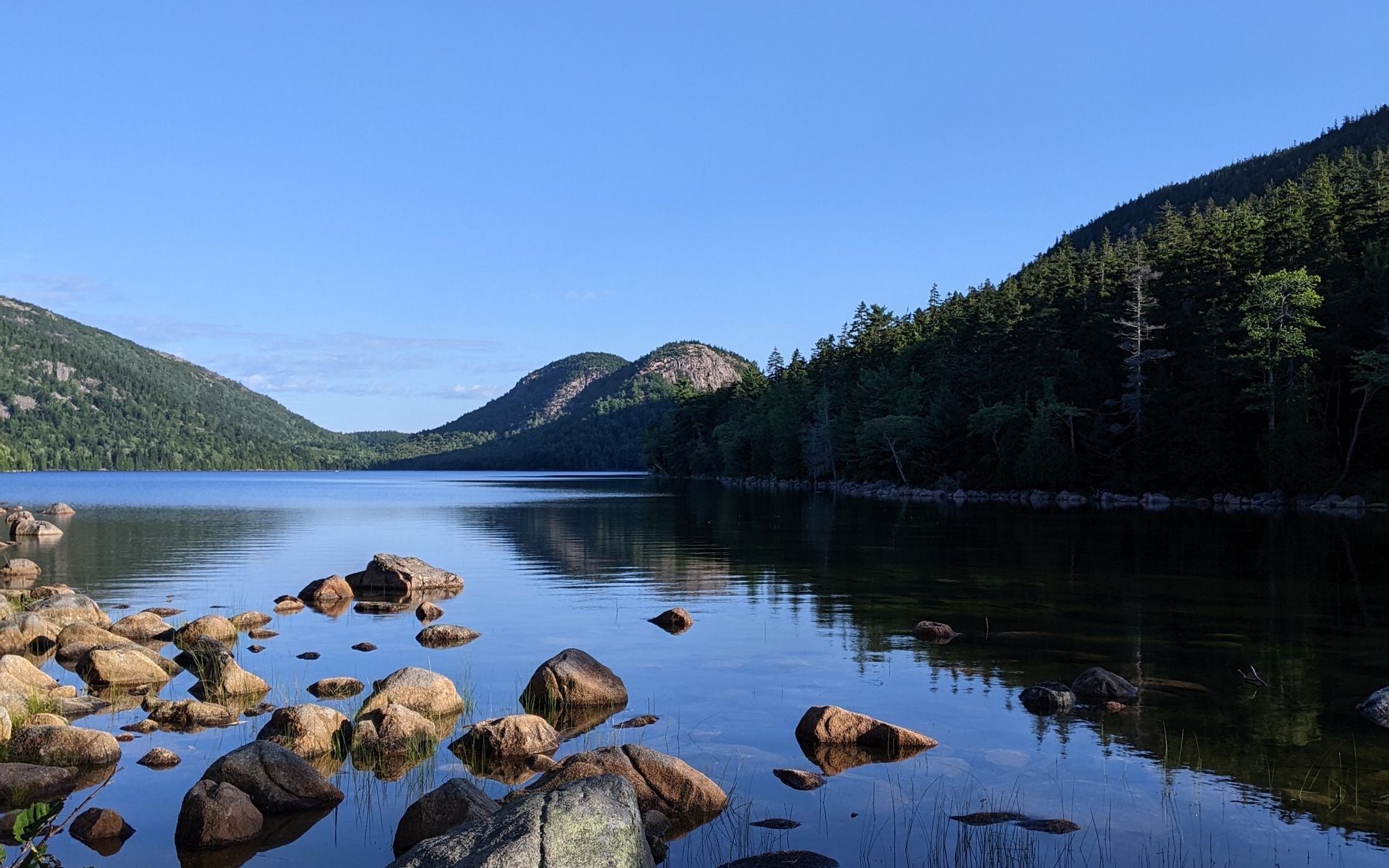
Why Visit Western Maine
Most people come for the skiing, and that alone justifies the trip. Sunday River in Newry spreads across 8 peaks with 135 trails and one of the most reliable snowmaking systems in New England. Sugarloaf in Carrabassett Valley rises to 4,237 feet and offers the only lift-served, above-treeline skiing in the eastern United States. Both resorts can occupy multiple days each, and a trip that takes in both is a legitimate week of skiing across two genuinely different mountains. But the region has a clear off-season identity that goes well beyond ski culture. The Rangeley Lakes chain is one of the best fly-fishing destinations in Maine, with brook trout and landlocked salmon in waters that have been drawing anglers since the 1800s. Sebago Lake, 20 miles west of Portland, is the second-largest lake in the state and busy with boaters and swimmers from late June through Labor Day. And the fall foliage in the mountains and valleys here arrives two to three weeks ahead of the coast, cresting in late September at higher elevations and running well into October in the lake valleys.
For Maine travel that gets away from ferry schedules and lighthouse lines, the western mountains offer a version of the state that is larger, colder, and more focused on the land than the sea. You will find moose on logging roads at dawn, lake fog burning off by 8 in the morning, and hiking that takes you well above the tree line without requiring the advance reservations that Baxter State Park demands.
Top Places in the Western Mountains
Bethel is the town most visitors use as a base for Sunday River. It sits on the Androscoggin River about 5 miles from the resort's base lodge in Newry, and the village has enough to fill a rest day: a compact historic downtown, Sudbury Inn and several independent restaurants, access to the Sunday River Brewing Company, and direct routes into Grafton Notch State Park to the north. The drive from Portland runs about 75 miles, roughly 90 minutes via Route 302 or the Maine Turnpike to Exit 63 at Gray and then north on Route 26.
Carrabassett Valley is the mountain community around Sugarloaf, about 110 miles north of Portland via Route 27 through Farmington and Kingfield. The access road climbs steeply from Route 27 into a self-contained base village with slopeside lodging, a sports center with an Olympic-sized pool, and everything you need for a ski trip without needing to drive to a neighboring town. This is a ski-in, ski-out setup by design: the mountain is the destination.
Rangeley sits at 1,542 feet above sea level, about 120 miles from Portland via Route 4 through Farmington, a drive of roughly 2.5 hours. The town wraps around Rangeley Lake, the largest in a chain that includes Mooselookmeguntic, Cupsuptic, and Kennebago lakes, all connected by rivers and portages that can be linked by canoe. Because of its elevation and inland position, Rangeley consistently records some of the coldest temperatures in Maine, which preserves ice fishing into March and keeps lake water cool enough through summer that fishing stays productive. The moose population in the surrounding woods is dense: you can see moose along Route 16 toward Stratton most mornings without much effort.
Sebago Lake anchors the eastern edge of the region and is the only part of it that feels genuinely close to Portland. At 28 miles long and up to 316 feet deep, Sebago is the second-largest lake in Maine and, notably, one of the cleanest: Portland's drinking water comes from Sebago without filtration. Sebago Lake State Park on the north shore runs a popular campground and swimming beach through summer, with kayak and canoe rentals at the park entrance. The lake sees heavy powerboat and pontoon traffic from late June through Labor Day, with calmer mornings the better time for paddling.
Top Things to Do
Skiing and snowboarding run November through April at both major resorts. Sunday River's eight peaks give it more horizontal variety than any other ski area in Maine, with terrain that ranges from wide groomed beginner trails on the South Ridge to White Heat, a steep expert pitch that is consistently ranked among the most demanding trails in the east. The mountain runs heated bubble lifts that make midwinter cold more manageable, and the Igloo ice bar near the base is a legitimate destination on its own. Day tickets run roughly $90 to $160 depending on date and how far in advance you buy; early-purchase rates closer to $80 are available in October and early November. At Sugarloaf, the 2,820-foot vertical drop is Maine's largest and delivers some of the longest continuous runs in the northeast. The summit stays above the clouds on cold clear days, and the above-treeline exposure means it catches natural wind and snow that lower mountains miss. Spring skiing on the upper mountain, with corn snow and sun from late March into April, is a particular draw for skiers who extend their season past what the coast and lower terrain can support. Sugarloaf day tickets typically range from $75 to $145.
Hiking in summer centers on the Appalachian Trail and Grafton Notch State Park. Maine holds 281 miles of the AT, the longest section in any single state, entering from New Hampshire over the Mahoosuc Range north of Bethel. Table Rock in Grafton Notch offers a full-day route with significant views over the Notch and the surrounding spruce ridges. The 1.5-mile round trip to Screw Auger Falls in the same park follows Bear River through a granite gorge to a series of small waterfalls. Trailhead parking at Grafton Notch is off Route 26 and is free. For fly-fishing, the Rapid River between Richardson and Umbagog lakes is a permit-required cold-water fishery with brook trout averaging larger than nearly any other stream in Maine; the Maine Department of Inland Fisheries regulates access, and the river is only accessible by foot or canoe from the Lakewood Camps area.
Paddling and lake fishing run June through early September. The Rangeley Lakes chain is linked well enough for multi-day canoe trips, and local outfitters in Rangeley rent canoes, kayaks, and guide trips targeting landlocked salmon and brook trout. Sebago Lake's north coves and islands are calmer and better suited to paddling than the main lake body, where afternoon wind comes up reliably by noon in summer. If you make it to the coast afterward, the best lobster shacks in Maine are an hour or two east from western Maine, but the lake region has its own fried seafood tradition: clam chowder and fried haddock show up at stands and diners throughout the Oxford Hills all summer.
Fall foliage peaks in the western mountains earlier than anywhere else in Maine. High-elevation terrain around Carrabassett Valley and Rangeley typically crests in the last week of September, while valley floors and the lakes hold color through the first or second week of October. Route 4 between Rangeley and Farmington is one of the better fall drives in the state, with farms and hills alternating along a river valley. Route 17 from Rumford to Oquossoc, which crests at Height of Land with a view down to Mooselookmeguntic Lake, is the most dramatic single stretch of fall foliage road in western Maine.
Where to Stay
Sunday River Resort runs several slopeside hotels, condo-style buildings, and the Jordan Hotel, which offers ski-in, ski-out access to the main trail network. Rates at the Jordan run roughly $200 to $450 per night during peak ski season, with better midweek pricing in January and February. Bethel village, 5 miles from the base lodge, has independent inns and vacation rentals that typically run 20 to 30 percent below on-mountain rates and work well if you don't need the convenience of walking out to the lift in boots.
At Sugarloaf, the Sugarloaf Mountain Hotel sits at the base village within walking distance of the lifts, and it is the most practical choice for a multi-day ski trip when you don't want to drive to and from the mountain each morning. Rates estimate $200 to $350 per night in peak winter season, lower in early December and late March. The hotel's breakfast buffet, included in most room packages, is a practical way to eat a full meal before a long ski day without waiting for table service at the village restaurants.
For a stay focused on lake country, Wolf Cove Inn in Poland, Maine offers lakefront rooms and suites directly on Tripp Lake, with an on-site restaurant and bar that regulars specifically book ahead for. The inn sits roughly equidistant between Sebago Lake and Sunday River, about 20 miles from each, making it a workable base for visitors who want a countryside inn experience with day trips to ski or to the lake. Room rates estimate $300 to $600 per night depending on room type and season, with fall foliage weekends and ski-season Saturdays booking earliest. Poland is about 30 miles northwest of Portland via Route 26.
For the full range of lodging options across the state, Where to Stay in Maine covers the coast and interior in detail.
Getting There and Around
Portland International Jetport (PWM) is the main arrival point for western Maine, with nonstop service from most major US cities. From PWM, Sunday River is about 75 miles on Route 26 through Gray and Mechanic Falls, roughly 90 minutes in normal conditions. Sugarloaf is closer to 2 hours from PWM via the Maine Turnpike (I-95) and then Route 27 north through Farmington and Kingfield. Rangeley adds 30 to 40 minutes beyond Sugarloaf via Route 16. If you fly into Boston Logan (BOS), which has significantly more nonstop routes than Portland, the drive to Bethel is about 150 miles and 2.5 hours on Route 93 North and then Route 302 through Conway, New Hampshire. Both Sunday River and Sugarloaf also have direct Boston shuttle services during ski season, worth checking if you prefer not to drive.
A car is required throughout this region. There is no commuter rail, no intercity bus service that connects these mountain towns, and the lodging towns are 10 to 20 miles apart from any transit corridor. Sunday River operates a shuttle between its own base lodges and slopeside hotels during ski season, but getting from Portland or Bethel to the resort itself is a driving trip. Within Rangeley village, most of what you need is walkable from a central lodging, but reaching the lakes' access points, boat launches, and trailheads requires a vehicle.
Best Time to Visit
Winter (mid-December through late March) is the main season. Sunday River and Sugarloaf both rely on snowmaking to open early and fill gaps in natural coverage, and both are generally fully operational by the third week of December. Midweek in January and February is the best combination of good snow, short lift lines, and reasonable rates. Holiday periods, particularly Christmas through New Year's and Presidents' Day weekend in February, fill both resorts to capacity and require lodging bookings months in advance. Late March and early April at Sugarloaf is spring skiing, and if the snow cooperates it is some of the most enjoyable skiing of the year: longer days, warmer temperatures, and the summit corn snow in direct sun by noon.
Summer (late June through Labor Day) is the season for Sebago and the Rangeley Lakes. Sebago warms to the mid-60s Fahrenheit by mid-July, which makes it swimmable. Rangeley's lakes run colder, rarely cracking 65 degrees even in August, and the lake-and-mountain scenery is the draw rather than swimming. Hiking in Grafton Notch State Park and on the Appalachian Trail is best from late June through September, with black flies making the early June window unpleasant above 2,000 feet.
Fall foliage (late September through mid-October) is the most underused window, with lower lodging rates than summer and ski season, quieter roads, and the best visual payoff of the year at higher elevations. The windows are shorter than on the coast and less forgiving: a week of rain or an early frost can shift peak timing by several days. Checking current foliage reports from the Maine Bureau of Parks and Lands in the last two weeks of September is the most reliable way to time a fall trip to the western mountains.
Frequently asked questions
Is western Maine worth visiting if I am not skiing?
Yes. The Rangeley Lakes chain is one of the serious fly-fishing destinations in the northeastern United States, with brook trout and landlocked salmon in cold, connected waters that have been managed for sport fishing for over a century. Sebago Lake offers swimming, boating, and paddling within 20 miles of Portland. The Appalachian Trail's Maine section of 281 miles passes through Grafton Notch near Bethel with accessible day hikes that don't require the reservation logistics of Baxter State Park. And fall foliage in the western mountains arrives two to three weeks earlier than on the coast, making late September a good time to visit when coastal Maine is still fully in summer mode.
How far apart are Sunday River and Sugarloaf, and should I ski both on one trip?
Sunday River in Newry and Sugarloaf in Carrabassett Valley are about 75 miles apart by road via Route 4 and Route 16, a drive of roughly 1.5 to 2 hours. A week-long trip can cover both easily: 2 or 3 days at each with a travel day in between. They are genuinely different mountains. Sunday River has more varied intermediate terrain, a more developed base village infrastructure, and the heated bubble lifts that make midwinter cold less of a factor. Sugarloaf has Maine's highest vertical drop, longer runs top to bottom, and the above-treeline summit experience that Sunday River doesn't offer. If you have a week, ski both.
Do I need to book lift tickets in advance at Sunday River or Sugarloaf?
Neither resort requires advance reservations the way Acadia's Cadillac Summit Road does, but buying online well ahead of your ski day saves significant money. Window ticket prices at both resorts typically run 30 to 40 percent higher than advance online rates. During holiday weeks, particularly Christmas through New Year's and Presidents' Day weekend in February, lodging books out months in advance and both resorts operate near capacity. January and February midweek skiing is the best value window: advance tickets at lower rates, shorter lift lines, and no holiday premium on hotel rooms.
What is the best base town in western Maine?
Bethel works best for Sunday River access and Grafton Notch hiking. It is a real town with restaurants, breweries, and lodging independent of the resort, and it gives you a base that does not require eating every meal on the mountain. For Sugarloaf, the base village in Carrabassett Valley is your effective home: it is a long drive from any town of size, and the ski-in, ski-out setup is the appeal. Rangeley is best treated as its own destination rather than a hub for ski trips, since it sits 1.5 to 2 hours from both resorts. If you want to experience lake country and ski terrain on the same trip without too much driving, Bethel is the most central option: it puts Sunday River at 5 miles and the Rangeley Lakes at about 75 miles, a manageable day trip.