Portland is Maine’s largest city and the state’s most practical base for a coastal trip: the Old Port’s cobblestone streets connect a serious food scene, Casco Bay ferry islands, and Cape Elizabeth’s lighthouse, all within easy reach of each other.
The Old Port and Working Waterfront
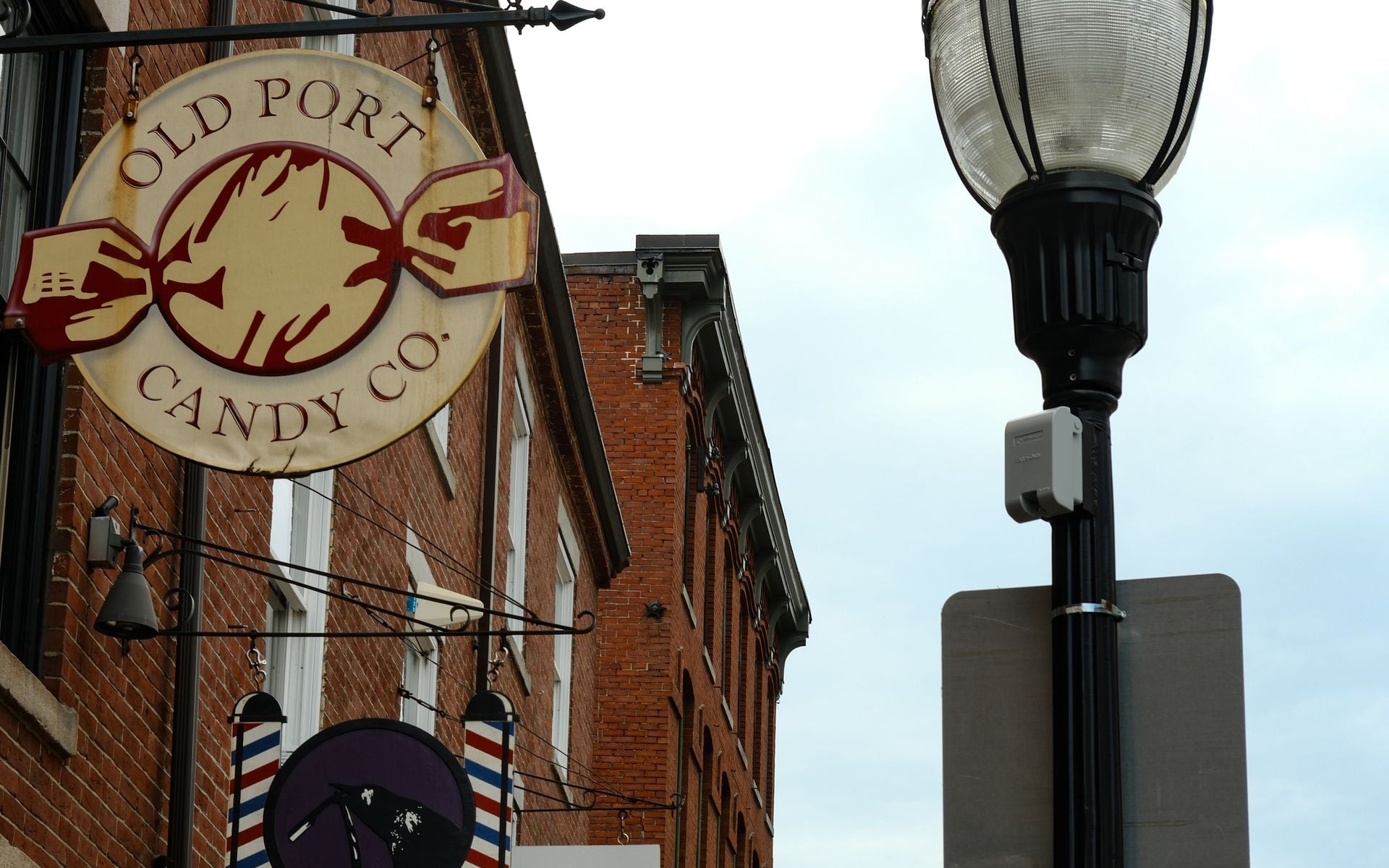
The Old Port is where most visitors start, and for good reason. The neighborhood occupies a compact grid of cobblestone streets between Exchange Street and the waterfront, with brick storefronts from the 1860s and 1870s housing galleries, bookshops, chowder counters, and brew pubs. The easiest approach is to park once near the Portland Pier on Commercial Street and walk from there. On a clear morning the harbor is active with lobster boats coming in before 7 a.m., and you can watch the Casco Bay Lines ferries loading up for the islands from the terminal at 56 Commercial Street.
Commercial Street itself is the spine of the working waterfront. DiMillo’s On the Water, one of Portland’s most recognizable waterfront restaurants, sits on Long Wharf at 25 Long Wharf and serves Maine seafood in a converted ferry a few steps from the fishing docks. For a faster option, Luke’s Lobster Portland Pier is at 60 Portland Pier with rolls sourced from Maine boats and minimal fuss. Prices run $20-30 for a full lobster roll at either spot, which is standard for Portland’s waterfront. The waterfront connects to everything else the Portland area has to offer, and you rarely need to drive between sights once you’re parked.
Food Worth the Trip
Portland’s food reputation is not hype. The city has more James Beard-recognized chefs per capita than almost anywhere in the country, and the range goes well beyond lobster. Start early at Becky’s Diner at 390 Commercial Street, a breakfast institution that opens at 4 a.m. and draws a mix of fishermen, dock workers, and tourists. Expect a short wait on weekends and budget $12-18 for a full meal. It’s a no-frills diner in the best sense: fast, honest, on the water.
For oysters and small plates, Eventide Oyster Co. on Middle Street is the place most Portlanders bring out-of-town guests. The brown butter lobster roll has a legitimate following, and the oysters pull from Maine and New Brunswick waters. On the same block, Duckfat at 43 Middle Street has been cooking Belgian-style fries in duck fat since 2005 and runs a tight, focused menu of sandwiches, poutine, and milkshakes. Expect lines at both places during summer; arriving before noon or after 2 p.m. on weekdays cuts the wait significantly.
For a quick lobster roll without committing to a sit-down restaurant, The Highroller Lobster Co. at 104 Exchange Street serves a lobster roll flight with three different preparations, which is a good way to try Connecticut-style with drawn butter alongside the classic Maine cold with mayo. Prices run $18-25 per roll. The beer garden is dog-friendly and typically has a line by noon on July and August weekends. If you only eat one lobster roll in Portland, the flight at Highroller is an efficient way to settle the question of which style you prefer.
Casco Bay Islands
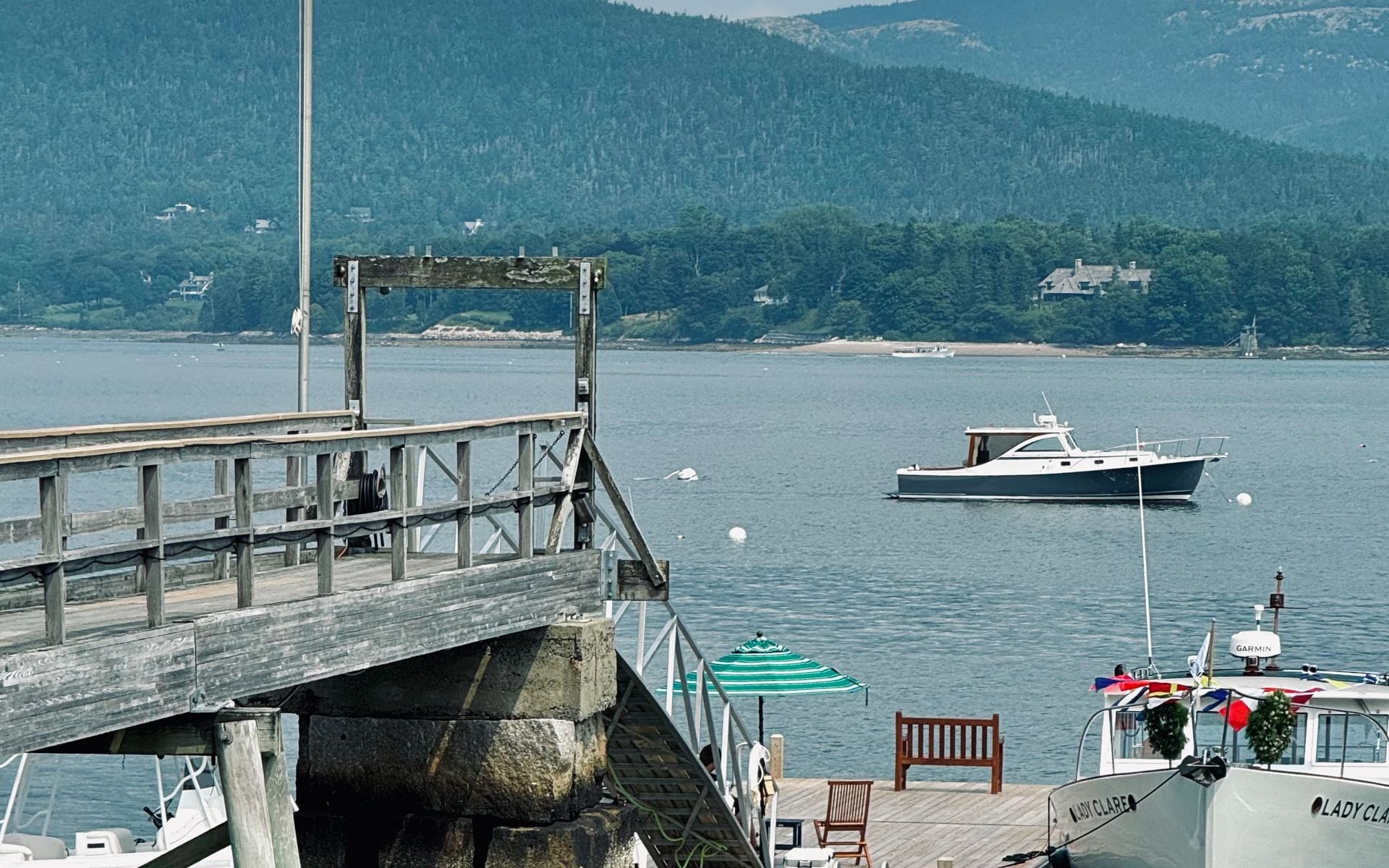
One of Portland’s best half-day trips is catching a Casco Bay Lines ferry from 56 Commercial Street out to Peaks Island or Long Island. The ferry runs year-round and functions as both public transportation and a scenic cruise, with round-trip tickets typically $8-11 per adult. Peaks Island is the closest, about 20 minutes out, and has a quiet seasonal community of around 1,000 year-round residents, a few bike rental spots on the pier, and a handful of lunch counters along Island Avenue. The island’s Battery Steele, a World War II coastal artillery fortification, is worth a walk through if you have the energy after lunch.
The mail boat run, which makes stops at multiple islands on a set schedule, is a good option if you want the full cruise experience without committing to one destination. It takes about three hours round trip and gives a clear sense of the bay’s scale and the scattered island communities. Bring a layer even in July since the water temperature stays in the 50s offshore and wind accelerates on the open water. The islands are one of those Portland experiences that feels genuinely local rather than touristy, which is harder to find in peak season.
Portland Head Light and Cape Elizabeth
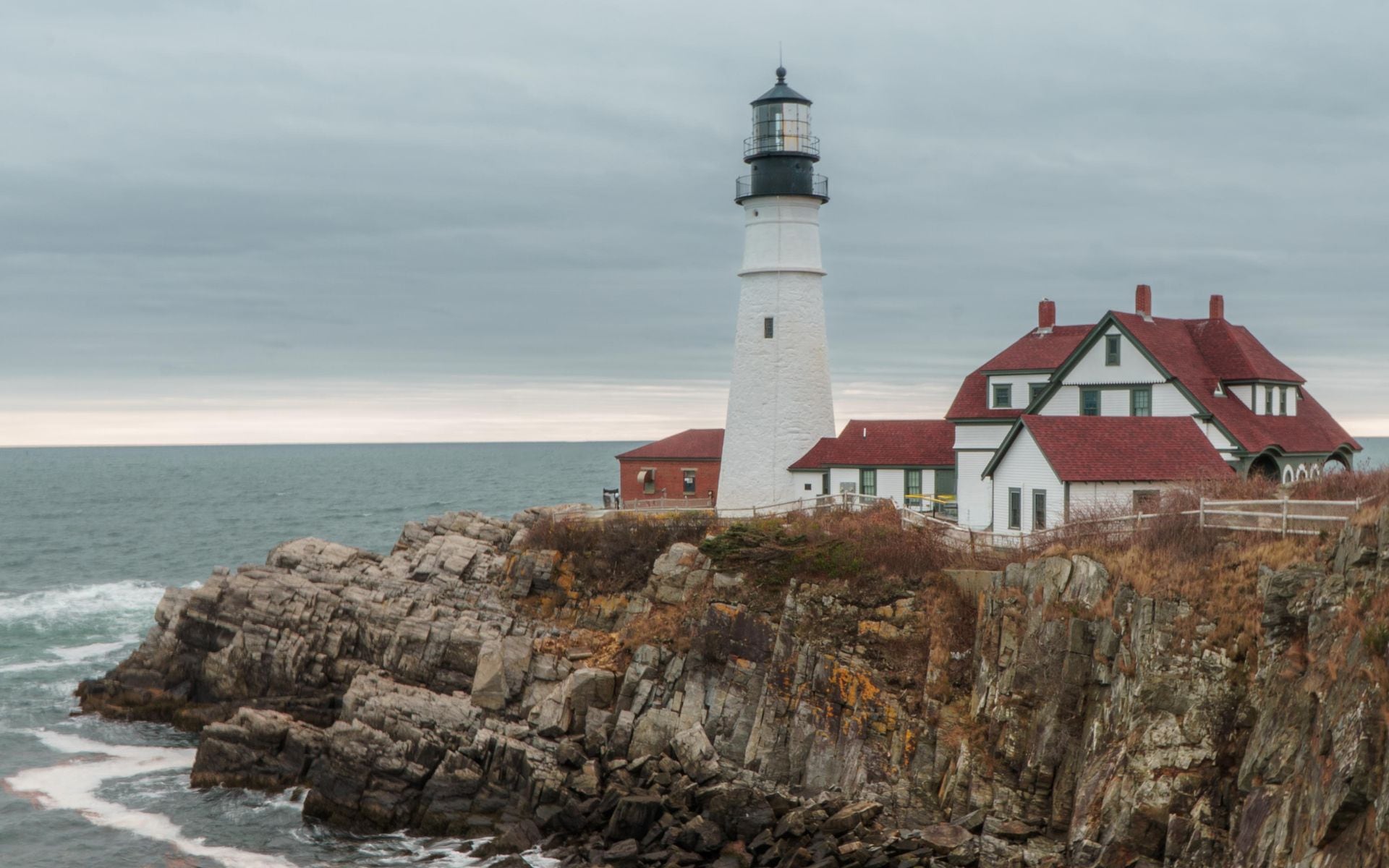
Portland Head Light at Fort Williams Park in Cape Elizabeth is the most photographed lighthouse in Maine, commissioned under George Washington and first lit in 1791. The park is free to enter and takes about 15 minutes to reach from downtown Portland by car, heading south on Route 77. The lighthouse itself is maintained by the Coast Guard and is not open for interior visits, but the museum in the keeper’s quarters covers the history of the light and the surrounding fortifications.
The grounds at Fort Williams Park are worth extra time. You can walk the rocky ledges above the Atlantic, picnic on the open lawn, and explore the ruins of the early 1900s military installation that was built around the lighthouse site. On a clear day in September or October, the view across Casco Bay is particularly sharp, with the outer islands visible to the north and the open ocean to the south. Parking is free, which stands out for a coastal attraction this well-known. Plan for at least 90 minutes to do the park justice rather than a quick photo stop.
Arts, Culture, and the Rest of the City
Beyond the waterfront, Portland has a walkable arts and culture core. The Portland Museum of Art occupies the landmark Charles Follen McKim building on Congress Square and holds the largest collection of American art in northern New England, including strong holdings of Winslow Homer’s Maine work. Admission is around $20 for adults, and the museum is free on Friday evenings during certain seasons. The Congress Street corridor north of the Old Port has a cluster of galleries, antique dealers, and independent shops that reward an afternoon of walking.
The Arts District around Congress and High Streets is also where you’ll find most of the city’s brewery taprooms and wine bars within a short walk of each other. Maine beer culture is strong, and Portland’s taprooms tend to be neighborhood spots rather than tourist operations. If the weather is cooperating, the Eastern Promenade Trail along the Back Cove and Casco Bay shoreline makes for a solid morning run or bike ride with water views most of the way.
When to Visit Portland
Portland is an active city year-round, but the clearest window for most first-time visitors is mid-June through September. June offers mild weather and lighter crowds before the full press of July and August, when waterfront lodging routinely runs $250-400 per night and popular restaurants fill up by 6 p.m. If you book ahead and arrive at 11:30 a.m. for lunch, summer still works well. The shoulder season on either side gives you the full restaurant scene at lower prices.
September and October are the months locals prefer. The weather holds comfortable in the 60s through most of October, the summer crowds thin after Labor Day, and restaurant reservations become easier to get on short notice. October brings leaf color to the neighborhoods and parks around Portland, though fall foliage in Maine tends to peak inland first, in late September and early October, and trails down the coast later. For specifics on timing and where to catch the best color, the guide on when Maine fall foliage peaks covers it in detail. For a broader look at seasons across the whole state, the best time to visit Maine page lays out the tradeoffs month by month.
Getting to Portland and Getting Around
Portland International Jetport (PWM) is the state’s main airport, with direct service from Boston, New York, Philadelphia, Washington D.C., Chicago, and a growing list of other markets on American, Delta, United, and Southwest. Most round-trip fares from Northeast cities run $150-300. The airport sits about 10 minutes from the Old Port by car or rideshare. If you’re driving from Boston, the trip runs about two hours via I-95 north, depending on toll traffic near the Scarborough interchange. Amtrak’s Downeaster runs from Boston’s North Station to Portland’s Thompson’s Point station with four or five departures daily and takes about 2.5 hours, with fares starting around $25-35 each way.
Downtown Portland is walkable for most sightseeing, with the Old Port, the waterfront, and the Portland Museum of Art on Congress Square all within a mile of each other. A car becomes useful for reaching Portland Head Light in Cape Elizabeth, Freeport’s L.L.Bean about 20 minutes north on I-295, or Old Orchard Beach about 20 minutes south. Street parking is metered in the Old Port core and garage parking typically runs $3-5 per hour. If you’re building Portland into a longer Maine trip, check how many days you need in Maine for a sense of what’s realistic to see in different timeframes, and the full Maine Travel Guide covers routing options from Portland north to the MidCoast and Acadia.
Frequently asked questions
What is Portland, Maine known for?
Portland is best known for its food scene, the cobblestone Old Port district, and Casco Bay. It has one of the highest concentrations of independent restaurants per capita in the country, a strong brewery and oyster bar culture, and a working waterfront where lobster boats still unload their catch most mornings. Portland Head Light in nearby Cape Elizabeth is one of the most visited lighthouses on the East Coast and dates to 1791.
How many days should I spend in Portland, Maine?
Two to three days covers Portland thoroughly. One day handles the Old Port, a Casco Bay ferry run, and a few meals. A second day works well for Portland Head Light, the Portland Museum of Art, and the Arts District neighborhoods. A third day is useful if you want to push north to Freeport or south toward Kennebunkport. If Portland is part of a broader Maine trip, the city pairs naturally with a drive up the coast toward Camden or Bar Harbor, where the scenery changes significantly within two to three hours.
Is Portland, Maine walkable?
The Old Port and downtown core are very walkable. The Portland Museum of Art, the waterfront, and most of the best restaurants sit within a mile of each other and the terrain is flat. You’ll want a car or rideshare for Portland Head Light in Cape Elizabeth (about 15 minutes south), the airport, and day trips to Freeport or the beaches. Casco Bay Lines ferries leave from the waterfront terminal and require no car.
When is the best time to visit Portland, Maine?
June and September hit the sweet spot: comfortable temperatures, fully open restaurants and shops, and lighter crowds than peak summer. July and August are busier and more expensive but deliver the full Maine summer experience with longer days and active harborside activity. October is excellent for fall color and quieter restaurant scenes. The city stays lively well into November, and winter brings its own low-key appeal with fewer tourists and lower hotel rates.